Seeing Clearly: Top Vision Care Solutions for Your Eyes
Welcome to our latest blog post, where we delve into the world of vision care to help you see clearly and keep your eyes healthy. In this article, we will take you on a journey through the essential aspects of maintaining optimal vision, from understanding your unique vision needs to choosing the perfect eyewear that suits both your style and visual requirements. We will also explore the latest advancements in contact lens technology and how they can provide you with clear vision and maximum comfort.
Additionally, we will uncover the crucial connection between nutrition and eye health, offering insights into how you can support your vision through a balanced diet. And as a bonus, we will provide expert tips on how you can take care of your eyes at home, ensuring that your vision remains protected and preserved for years to come. Join us as we embark on this insightful exploration of vision care solutions tailored to meet your eyes' specific needs
Additionally, we will uncover the crucial connection between nutrition and eye health, offering insights into how you can support your vision through a balanced diet. And as a bonus, we will provide expert tips on how you can take care of your eyes at home, ensuring that your vision remains protected and preserved for years to come. Join us as we embark on this insightful exploration of vision care solutions tailored to meet your eyes' specific needs
Understanding Your Vision Needs
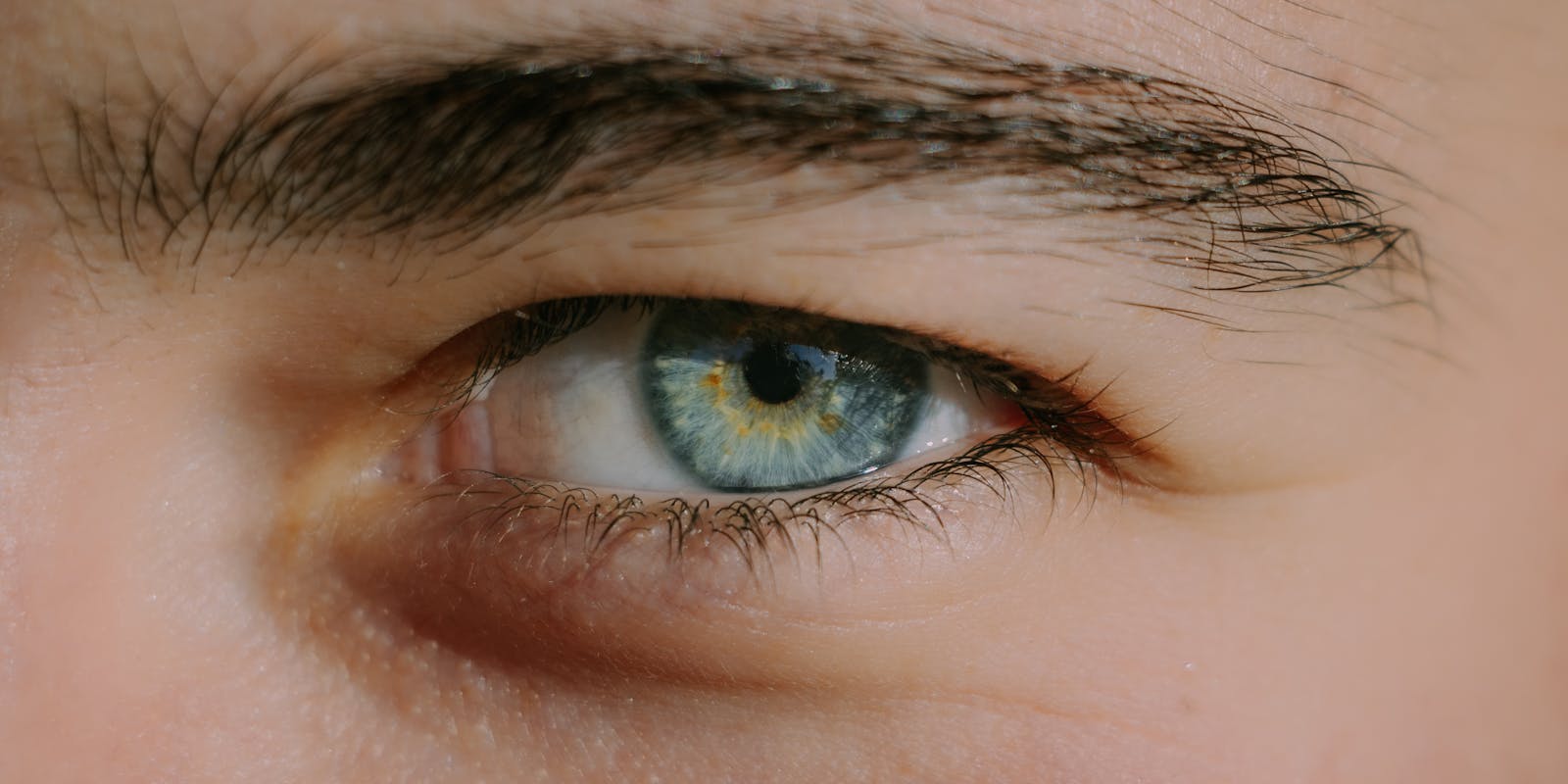
Vision care is essential for maintaining good eye health and overall well-being. Understanding your vision needs is the first step towards ensuring that you have the appropriate vision care solutions in place. Everyone's eyes are unique, and therefore, it is crucial to address individual requirements when it comes to eye care.
One common vision issue is refractive errors, such as nearsightedness, farsightedness, and astigmatism. These conditions can often be corrected with prescription eyeglasses or contact lenses. Regular eye exams by an optometrist or ophthalmologist can help determine the right prescription for your eyes.
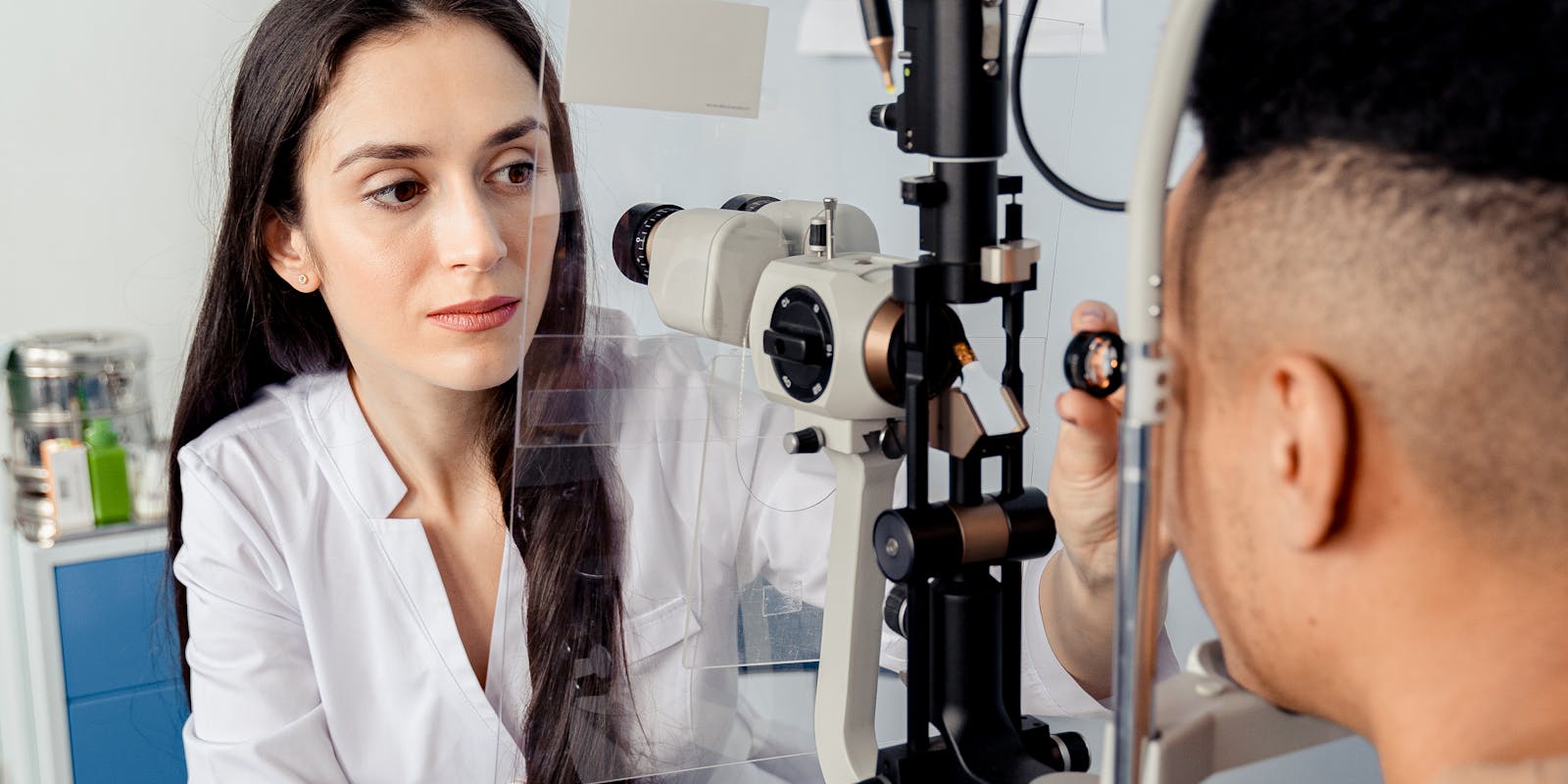
For those who prefer not to wear glasses or contact lenses, there are alternative solutions available. Refractive surgery, such as LASIK or PRK, can help correct refractive errors permanently by reshaping the cornea. However, not everyone is a suitable candidate for these procedures, so a thorough eye examination and consultation with an eye care specialist are necessary.
In addition to refractive errors, other vision issues, such as dry eyes, glaucoma, cataracts, and age-related macular degeneration, require specific treatments and management strategies. Dry eyes can often be managed with lubricating eye drops, while conditions like glaucoma may require prescription eye drops or surgery to prevent vision loss. Cataracts can be treated with surgery to replace the clouded lens with an artificial one, restoring clear vision.
Furthermore, regular screening for eye diseases is crucial, especially as we age. Early detection of conditions like age-related macular degeneration can help preserve vision and prevent further deterioration.
In conclusion, understanding your vision needs is vital for choosing the right vision care solutions. Whether it is correcting refractive errors, managing eye conditions, or preventing eye diseases, taking proactive steps towards caring for your eyes can help maintain good vision and overall eye health in the long run. Remember, always consult with your eye care professional for personalised advice tailored to your individual vision needs
One common vision issue is refractive errors, such as nearsightedness, farsightedness, and astigmatism. These conditions can often be corrected with prescription eyeglasses or contact lenses. Regular eye exams by an optometrist or ophthalmologist can help determine the right prescription for your eyes.
For those who prefer not to wear glasses or contact lenses, there are alternative solutions available. Refractive surgery, such as LASIK or PRK, can help correct refractive errors permanently by reshaping the cornea. However, not everyone is a suitable candidate for these procedures, so a thorough eye examination and consultation with an eye care specialist are necessary.
In addition to refractive errors, other vision issues, such as dry eyes, glaucoma, cataracts, and age-related macular degeneration, require specific treatments and management strategies. Dry eyes can often be managed with lubricating eye drops, while conditions like glaucoma may require prescription eye drops or surgery to prevent vision loss. Cataracts can be treated with surgery to replace the clouded lens with an artificial one, restoring clear vision.
Furthermore, regular screening for eye diseases is crucial, especially as we age. Early detection of conditions like age-related macular degeneration can help preserve vision and prevent further deterioration.
In conclusion, understanding your vision needs is vital for choosing the right vision care solutions. Whether it is correcting refractive errors, managing eye conditions, or preventing eye diseases, taking proactive steps towards caring for your eyes can help maintain good vision and overall eye health in the long run. Remember, always consult with your eye care professional for personalised advice tailored to your individual vision needs
**Choosing the Right Eyewear**
When it comes to safeguarding the health of your eyes, choosing the right eyewear is a crucial decision. Your eyewear not only helps you see clearly but also plays a significant role in protecting your eyes from harmful UV rays and other environmental factors. Here are some key factors to consider when selecting the perfect eyewear for your needs:
1. **Prescription Glasses**: If you have vision problems such as nearsightedness, farsightedness, or astigmatism, prescription glasses are essential for correcting your vision. It is important to get regular eye exams to ensure your prescription is up to date and to prevent further deterioration of your eyesight.
2. **Sunglasses**: UV protection is vital for maintaining healthy eyes, even on cloudy days. When choosing sunglasses, opt for a pair that provides 100% UV protection to shield your eyes from harmful sun rays. Polarised lenses can also help reduce glare and improve visual comfort, especially when driving or spending time outdoors.
3. **Blue Light Glasses**: With the increasing use of digital devices, exposure to blue light has become a concern for eye health. Blue light glasses can help reduce eye strain, prevent digital eye fatigue, and improve sleep quality by blocking harmful blue light emitted from screens.
4. **Sports Eyewear**: If you are an active individual who enjoys sports or outdoor activities, investing in sports eyewear is essential for protecting your eyes from injuries. Sports goggles or sunglasses with impact-resistant lenses can shield your eyes from debris, UV rays, and impact during physical activities.
5. **Fashion Eyewear**: Apart from functionality, eyewear is also a fashion statement. Choose frames that complement your style and personality while providing the necessary vision correction and protection for your eyes. With a wide range of frame styles, colours, and materials available, you can express your individuality through your eyewear choices.
Remember, the right eyewear can enhance your vision, protect your eyes from harm, and elevate your style. Consult with an optometrist or eyewear specialist to ensure you select the most suitable eyewear solutions for your unique vision care needs
1. **Prescription Glasses**: If you have vision problems such as nearsightedness, farsightedness, or astigmatism, prescription glasses are essential for correcting your vision. It is important to get regular eye exams to ensure your prescription is up to date and to prevent further deterioration of your eyesight.
2. **Sunglasses**: UV protection is vital for maintaining healthy eyes, even on cloudy days. When choosing sunglasses, opt for a pair that provides 100% UV protection to shield your eyes from harmful sun rays. Polarised lenses can also help reduce glare and improve visual comfort, especially when driving or spending time outdoors.
3. **Blue Light Glasses**: With the increasing use of digital devices, exposure to blue light has become a concern for eye health. Blue light glasses can help reduce eye strain, prevent digital eye fatigue, and improve sleep quality by blocking harmful blue light emitted from screens.
4. **Sports Eyewear**: If you are an active individual who enjoys sports or outdoor activities, investing in sports eyewear is essential for protecting your eyes from injuries. Sports goggles or sunglasses with impact-resistant lenses can shield your eyes from debris, UV rays, and impact during physical activities.
5. **Fashion Eyewear**: Apart from functionality, eyewear is also a fashion statement. Choose frames that complement your style and personality while providing the necessary vision correction and protection for your eyes. With a wide range of frame styles, colours, and materials available, you can express your individuality through your eyewear choices.
Remember, the right eyewear can enhance your vision, protect your eyes from harm, and elevate your style. Consult with an optometrist or eyewear specialist to ensure you select the most suitable eyewear solutions for your unique vision care needs
**Exploring Advanced Contact Lens Options**
When it comes to vision care solutions, exploring advanced contact lens options can offer a multitude of benefits for those looking to improve their eye health and vision clarity. Contact lenses have come a long way over the years, with innovative technologies and materials now available to cater to various vision needs.
Advanced contact lens options include daily disposables, extended wear lenses, multifocal lenses for presbyopia, toric lenses for astigmatism, and even coloured lenses for those looking to change or enhance their eye colour. These options provide a personalised approach to vision care, allowing individuals to choose lenses that best suit their lifestyle and visual requirements.
Furthermore, advanced contact lenses offer improved comfort and breathability, making them suitable for long hours of wear without causing dryness or discomfort. They also provide excellent visual acuity, ensuring crisp and clear vision for various activities, whether it's reading a book, working on a computer, or playing sports.
For those with specific eye conditions, such as dry eyes or keratoconus, there are specialised contact lens options available that can address these issues while still providing optimal vision correction. These customised solutions can significantly improve the quality of life for individuals with unique eye care needs.
In conclusion, exploring advanced contact lens options as part of your vision care solutions can lead to enhanced visual performance, improved comfort, and greater convenience in your daily life. Consult with your optometrist or eye care specialist to determine the best contact lens option for your individual needs and start seeing the world more clearly today
Advanced contact lens options include daily disposables, extended wear lenses, multifocal lenses for presbyopia, toric lenses for astigmatism, and even coloured lenses for those looking to change or enhance their eye colour. These options provide a personalised approach to vision care, allowing individuals to choose lenses that best suit their lifestyle and visual requirements.
Furthermore, advanced contact lenses offer improved comfort and breathability, making them suitable for long hours of wear without causing dryness or discomfort. They also provide excellent visual acuity, ensuring crisp and clear vision for various activities, whether it's reading a book, working on a computer, or playing sports.
For those with specific eye conditions, such as dry eyes or keratoconus, there are specialised contact lens options available that can address these issues while still providing optimal vision correction. These customised solutions can significantly improve the quality of life for individuals with unique eye care needs.
In conclusion, exploring advanced contact lens options as part of your vision care solutions can lead to enhanced visual performance, improved comfort, and greater convenience in your daily life. Consult with your optometrist or eye care specialist to determine the best contact lens option for your individual needs and start seeing the world more clearly today
**Nutrition and Eye Health**
Proper nutrition plays a vital role in maintaining healthy eyes and good vision. Including specific nutrients in your diet can significantly contribute to better eye health and potentially reduce the risk of developing certain eye conditions. Incorporating these essential nutrients into your meals can be an effective vision care solution alongside other practices such as regular eye exams and proper eye protection.
**Omega-3 Fatty Acids:** Foods rich in omega-3 fatty acids, such as salmon, tuna, flaxseeds, and walnuts, are known to support eye health. These fatty acids have been linked to reducing the risk of age-related macular degeneration (AMD) and dry eyes. Including omega-3s in your diet can help maintain the integrity of your eye cells and support proper tear production.
**Vitamin A:** This essential vitamin is crucial for maintaining good eyesight, particularly in low-light conditions. Foods like carrots, sweet potatoes, and spinach are rich in vitamin A, which is known to help prevent night blindness and support overall eye health. Ensuring an adequate intake of vitamin A can be a simple yet effective way to care for your vision.
**Vitamin C and E:** Both vitamins C and E are antioxidants that can help protect your eyes from damage caused by free radicals. Citrus fruits, berries, nuts, and seeds are excellent sources of these vitamins. Incorporating foods high in vitamin C and E into your diet can support the health of your eyes and reduce the risk of developing cataracts and age-related eye degeneration.
**Lutein and Zeaxanthin:** These carotenoids are found in high concentrations in the retina and macula of the eye, where they help filter harmful blue light and protect against oxidative damage. Green leafy vegetables like kale, spinach, and broccoli are packed with lutein and zeaxanthin, making them essential for maintaining healthy vision. Including these foods in your diet can contribute to better eye health and reduce the risk of developing conditions like AMD.
Incorporating a variety of nutrient-rich foods into your daily meals can provide your eyes with the essential vitamins and minerals they need to stay healthy. When combined with regular eye check-ups and proper eye care practices, a nutritionally balanced diet can be a valuable vision care solution to help you maintain clear and sharp eyesight for years to come
**Omega-3 Fatty Acids:** Foods rich in omega-3 fatty acids, such as salmon, tuna, flaxseeds, and walnuts, are known to support eye health. These fatty acids have been linked to reducing the risk of age-related macular degeneration (AMD) and dry eyes. Including omega-3s in your diet can help maintain the integrity of your eye cells and support proper tear production.
**Vitamin A:** This essential vitamin is crucial for maintaining good eyesight, particularly in low-light conditions. Foods like carrots, sweet potatoes, and spinach are rich in vitamin A, which is known to help prevent night blindness and support overall eye health. Ensuring an adequate intake of vitamin A can be a simple yet effective way to care for your vision.
**Vitamin C and E:** Both vitamins C and E are antioxidants that can help protect your eyes from damage caused by free radicals. Citrus fruits, berries, nuts, and seeds are excellent sources of these vitamins. Incorporating foods high in vitamin C and E into your diet can support the health of your eyes and reduce the risk of developing cataracts and age-related eye degeneration.
**Lutein and Zeaxanthin:** These carotenoids are found in high concentrations in the retina and macula of the eye, where they help filter harmful blue light and protect against oxidative damage. Green leafy vegetables like kale, spinach, and broccoli are packed with lutein and zeaxanthin, making them essential for maintaining healthy vision. Including these foods in your diet can contribute to better eye health and reduce the risk of developing conditions like AMD.
Incorporating a variety of nutrient-rich foods into your daily meals can provide your eyes with the essential vitamins and minerals they need to stay healthy. When combined with regular eye check-ups and proper eye care practices, a nutritionally balanced diet can be a valuable vision care solution to help you maintain clear and sharp eyesight for years to come
**Expert Tips for Eye Care at Home**
Our eyes are precious and deserve the best care possible. While regular eye check-ups with an optometrist are crucial, there are also several effective ways to take care of your eyes at home. By incorporating simple yet effective habits into your daily routine, you can help maintain good vision and overall eye health.
1. **Eat a Balanced Diet**: A diet rich in fruits and vegetables, particularly those high in vitamins A, C, and E, can benefit your eyes. Consuming foods like carrots, spinach, kale, and citrus fruits can provide essential nutrients that support eye health.
2. **Stay Hydrated**: Drinking an adequate amount of water is not only beneficial for your overall well-being but also for your eyes. Proper hydration helps prevent dry eyes, which can lead to discomfort and vision issues.
3. **Take Breaks from Screen Time**: In today's digital age, many of us spend hours looking at screens, be it computers, smartphones, or tablets. To prevent eye strain, remember to follow the 20-20-20 rule: every 20 minutes, take a 20-second break and look at something 20 feet away.
4. **Good Lighting**: Ensure that your workspace and living areas are well-lit to reduce eye strain. Avoid harsh overhead lighting and position your computer screen to reduce glare. This simple adjustment can make a significant difference in your eye comfort.
5. **Practice Proper Eye Safety**: Whether you're engaging in sports or working with power tools, always wear appropriate eye protection to prevent injuries. Accidents can happen quickly, but wearing safety goggles can help avoid serious eye damage.
6. **Get Adequate Sleep**: Quality sleep is essential for overall health, including eye health. Aim for 7-8 hours of sleep per night to allow your eyes to rest and rejuvenate.
7. **Quit Smoking**: Smoking is harmful to your eyes and can increase the risk of developing eye conditions such as cataracts and age-related macular degeneration. If you smoke, quitting can help preserve your vision and overall eye health.
By incorporating these expert tips into your daily routine, you can contribute to maintaining good eye health at home. Remember, while these practices are beneficial, they are not a substitute for professional eye care. Regular visits to your optometrist are essential for monitoring your eye health and addressing any concerns promptly
1. **Eat a Balanced Diet**: A diet rich in fruits and vegetables, particularly those high in vitamins A, C, and E, can benefit your eyes. Consuming foods like carrots, spinach, kale, and citrus fruits can provide essential nutrients that support eye health.
2. **Stay Hydrated**: Drinking an adequate amount of water is not only beneficial for your overall well-being but also for your eyes. Proper hydration helps prevent dry eyes, which can lead to discomfort and vision issues.
3. **Take Breaks from Screen Time**: In today's digital age, many of us spend hours looking at screens, be it computers, smartphones, or tablets. To prevent eye strain, remember to follow the 20-20-20 rule: every 20 minutes, take a 20-second break and look at something 20 feet away.
4. **Good Lighting**: Ensure that your workspace and living areas are well-lit to reduce eye strain. Avoid harsh overhead lighting and position your computer screen to reduce glare. This simple adjustment can make a significant difference in your eye comfort.
5. **Practice Proper Eye Safety**: Whether you're engaging in sports or working with power tools, always wear appropriate eye protection to prevent injuries. Accidents can happen quickly, but wearing safety goggles can help avoid serious eye damage.
6. **Get Adequate Sleep**: Quality sleep is essential for overall health, including eye health. Aim for 7-8 hours of sleep per night to allow your eyes to rest and rejuvenate.
7. **Quit Smoking**: Smoking is harmful to your eyes and can increase the risk of developing eye conditions such as cataracts and age-related macular degeneration. If you smoke, quitting can help preserve your vision and overall eye health.
By incorporating these expert tips into your daily routine, you can contribute to maintaining good eye health at home. Remember, while these practices are beneficial, they are not a substitute for professional eye care. Regular visits to your optometrist are essential for monitoring your eye health and addressing any concerns promptly
Conclusion
In conclusion, this blog post has highlighted key vision care solutions aimed at helping you maintain optimal eye health and clear vision. We explored the importance of understanding your unique vision needs, choosing suitable eyewear, and utilising the latest advancements in contact lens technology for enhanced comfort and clear sight. Additionally, we emphasised the significant role of nutrition in supporting eye health through a balanced diet. Furthermore, expert tips were provided on how to care for your eyes at home, ensuring their protection and longevity. By following these vision care solutions, you can safeguard your eyesight and enjoy clear vision for years to come